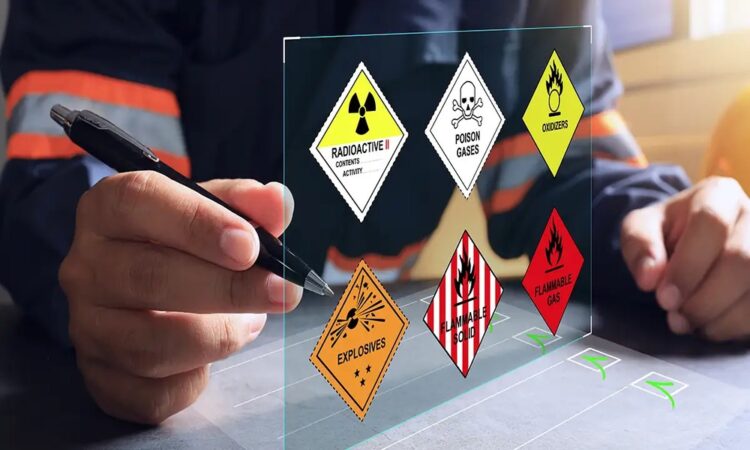
Explosives are powerful materials that can cause serious damage if not handled correctly. They are used in industries such as mining, construction, demolition, and defense. Because of their dangerous nature, following strict safety rules and regulations is essential. Explosive regulatory compliance ensures that companies and workers manage these materials safely and legally.
Without proper compliance, accidents can happen, leading to injuries, loss of life, and severe damage to property. Safety and regulation go hand in hand to protect people, the environment, and businesses.
Protecting Workers and the Public
The explosive regulatory compliance and safety exist primarily to protect workers and the public from harm. Handling explosives without proper training or equipment can lead to accidents, including fires, explosions, and toxic exposure. By following regulations, companies make sure that employees use explosives correctly and understand the risks involved.
Safety measures such as protective gear, controlled storage, and safe transportation reduce the chance of accidents. Compliance ensures that both workers and nearby communities remain safe while operations continue efficiently.
Preventing Environmental Damage
Improper use of explosives can harm the environment. Explosions can destroy wildlife habitats, pollute water sources, and damage ecosystems. Regulations require companies to assess the environmental impact of their operations and take steps to minimize harm.
For example, rules may restrict the locations where explosives can be used and dictate how debris and chemicals are handled. By following these guidelines, companies not only meet legal obligations but also help protect nature and local communities from long-term damage.
Legal and Financial Protection
Regulatory compliance protects businesses from legal problems and financial losses. Failure to follow explosive safety laws can result in fines, lawsuits, or even shutdowns. Companies that invest in proper safety systems avoid costly penalties and demonstrate responsibility.
Insurance providers also often require compliance before offering coverage. Maintaining compliance can save businesses from expensive damages, legal fees, and the loss of reputation, which is critical in industries that handle explosives.
Improving Operational Efficiency
Safety regulations also help improve operational efficiency. By following structured rules, companies can plan work more effectively and reduce unexpected disruptions caused by accidents. Safe handling and storage procedures prevent losses of materials and ensure that projects are completed on time.
Workers who understand the safety requirements can perform tasks more confidently and efficiently. Compliance creates a safer work environment, which leads to smoother operations and higher productivity.
Training and Education
Training and education are key parts of explosive safety compliance. Workers must understand how to store, transport, and use explosives correctly. Regular training programs update employees on the latest safety rules and emergency procedures.
Knowledgeable workers can identify potential hazards and act to prevent accidents. Companies that prioritize education build a culture of safety, where everyone takes responsibility for following regulations and keeping the workplace secure.
Conclusion
Explosive regulatory compliance and safety are not optional; they are essential for protecting people, the environment, and businesses. Following regulations prevents accidents, reduces environmental damage, and avoids legal and financial consequences. Compliance also increases operational efficiency and ensures workers are properly trained.
Industries that handle explosives must prioritize safety at every step to maintain trust, protect lives, and achieve long-term success. Proper adherence to rules is the foundation of safe and responsible explosive management.