From Manual to Digital: Why Singapore Businesses Are Upgrading to Time and Attendance Systems

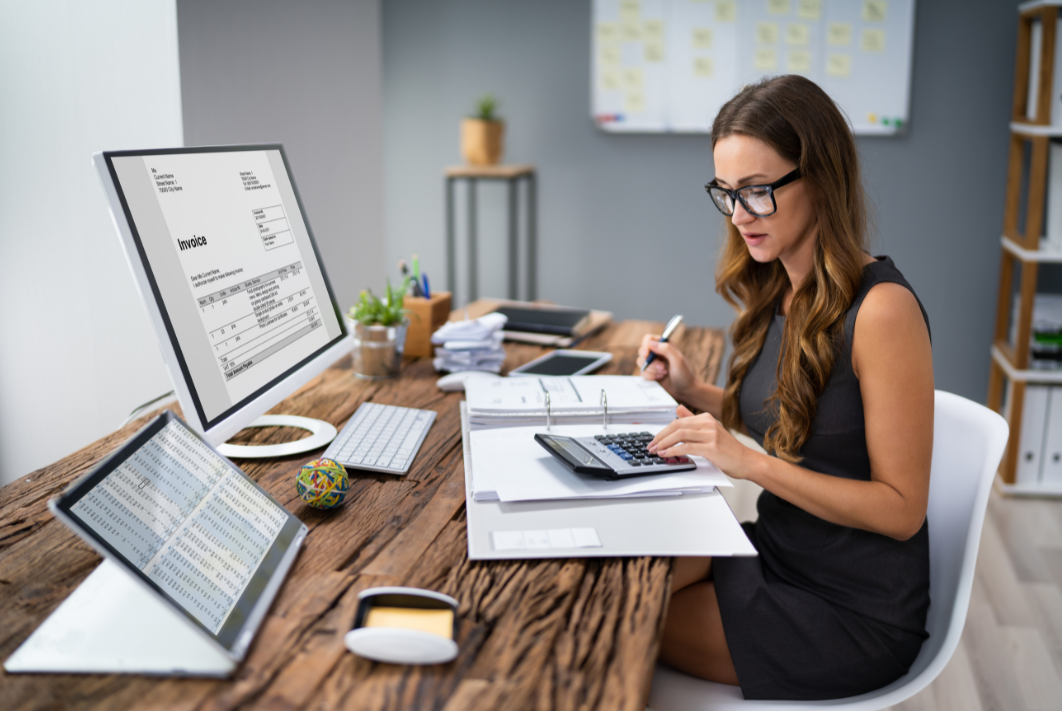
If you’re still using punch cards, Excel sheets, or asking employees to sign in with a pen, it might be time to rethink how you manage attendance. Across Singapore, businesses of all sizes — from small retail outlets to mid-sized logistics firms — are making the switch from manual processes to digital time and attendance systems.
Why? It’s not just about keeping up with the times. It’s about saving time, cutting down on errors, ensuring compliance, and yes, making things less painful for HR and payroll teams.
The Problem with Manual Attendance
Manual attendance tracking isn’t just old-school, but it’s also inefficient. Here’s why businesses in Singapore are leaving it behind:
- Time-consuming: HR teams spend hours every week calculating hours worked, sick leaves, late arrivals, and overtime — all manually.
- Human error: It’s far too easy to mistype numbers or forget to record a half-day.
- Lack of real-time data: Managers can’t see who’s in or out unless they physically check.
- Paper clutter or spreadsheet chaos: Lost punch cards, incomplete sign-in forms, or version-confused Excel files make everything harder.
And perhaps the biggest issue? Payroll mistakes. If someone’s hours aren’t recorded properly, it could mean underpayment or overpayment — both of which are costly (and legally risky).
What Are Time and Attendance Systems?
In simple terms, a time and attendance system is a software (and often hardware) solution that automatically tracks when employees clock in, clock out, take breaks, or go on leave.
It replaces old methods like punch cards or manual sign-ins with digital tools such as:
- Biometric scanners (fingerprint or facial recognition)
- Mobile apps with GPS clock-ins
- Cloud-based dashboards
- Integration with payroll software
Modern systems like Million software are typically cloud-based, which means you don’t need to be in the office to know who’s working.
Why the Shift Now?
The shift towards digital solutions in Singapore isn’t random. A few local trends are speeding things up:
1. Government Push for Digitalisation
Through initiatives like SMEs Go Digital, the Singapore government has been actively encouraging local businesses to upgrade their tech infrastructure. Time and attendance systems are often eligible for grants, making the switch more affordable than you might think.
2. Hybrid and Flexible Work Environments
With more companies offering hybrid setups, employers need systems that allow employees to clock in from anywhere, not just the office. Cloud-based attendance software makes this possible.
3. Greater Focus on Productivity and Compliance
Under MOM (Ministry of Manpower) regulations, keeping accurate records of employee work hours is no longer optional — it’s mandatory. Digital systems make it easier to stay compliant without extra paperwork.
Key Benefits of Time and Attendance Systems for SMEs
Here’s what businesses typically gain when they switch:
Accuracy in Time Tracking
The system records actual clock-in and clock-out times, eliminating guesswork. This ensures fair pay and keeps records clean in case of audits.
Reduced Admin Work
Instead of spending Mondays going through timesheets, your HR team can simply review auto-generated reports or let the system sync with payroll software.
Mobile Clock-In
Employees on the move — think sales staff, drivers, or technicians — can clock in via a mobile app with GPS, proving they were on-site when they said they were.
Improved Security
Biometric systems prevent “buddy punching” (when one employee clocks in for another). Everyone is accountable for their own time.
Real-Time Reporting
Managers can instantly see who’s working, who’s late, or who’s taking emergency leave. This helps with better resource planning and team coordination.
What to Look for in a Good Time and Attendance System
If you’re considering making the switch, don’t just pick the first solution that shows up on Google. Here are some things to keep in mind:
- Ease of use – Both staff and HR teams should be able to navigate the system without needing a user manual every time.
- Mobile compatibility – Make sure there’s a mobile app, especially if your team is on the move.
- Integration – Look for a system that works with your payroll software and even leave management systems.
- Data security – Attendance data includes sensitive information. Choose a system that offers encrypted cloud storage.
- Customisation – You should be able to define shift timings, late rules, overtime policies, and public holidays.
The Bottom Line
Time and attendance systems might sound like something only big companies need, but that’s no longer the case. For small and medium-sized businesses in Singapore, going digital is quickly becoming the norm.
With affordable solutions, government support, and the need for accurate, real-time tracking, now’s the best time to upgrade. You’ll save time, reduce payroll headaches, and make your HR processes smoother than ever.
So if you’re still collecting attendance via WhatsApp or scribbled notes, maybe it’s time to say goodbye to manual and hello to digital — your HR team will thank you for it.