Flat Roof Waterproofing for Commercial Buildings: Common Problems and How Contractors Fix Them

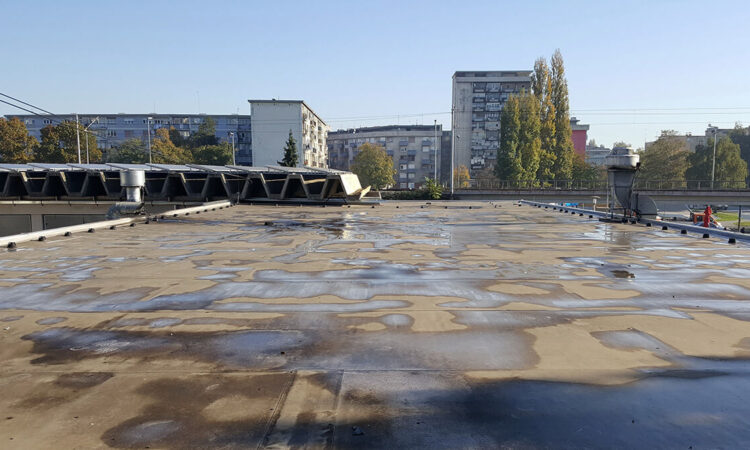
Flat roofs are a sensible choice for commercial buildings. They are cost-effective and give you usable space on top for equipment or future upgrades. But they also come with a downside. Flat roofs are much more vulnerable to water problems than sloped roofs. Even a small waterproofing issue can turn into interior damage, business interruptions, and repair costs that add up fast. The good news is that most of these problems start small. If you know what to look for, you can usually deal with them before they get out of hand.
Why Water Causes So Many Problems on Flat Roofs
Flat roofs do not shed water the way pitched roofs do. Rain tends to sit on the surface along with dirt, leaves, and other debris. If the drainage system is not working the way it should, that water has nowhere to go. Over time, standing water puts extra stress on the roof and finds its way into weak spots.
Temperature changes also play a role. Roofing materials expand in the heat and contract when temperatures drop. That constant movement slowly weakens seams and flashing. Most commercial buildings also have HVAC units, vents, and skylights on the roof. Every penetration creates another opportunity for leaks if the waterproofing is not installed or maintained correctly.
Standing Water That Does Not Go Away
After a heavy rain, some puddling on a flat roof is normal. The problem starts when water is still sitting there two days later. That is ponding, and it is one of the most common issues contractors see on commercial roofs.
Ponding usually happens because of:
- Drains that are clogged or too small
- Roofs that were not sloped properly during construction
- Buildings that have settled over time
- Debris is collecting around drains and scuppers
Contractors deal with ponding in a few different ways. In some cases, they improve drainage paths or add tapered insulation to help water flow toward the drains. Other times, the drainage system itself needs to be modified or upgraded. If water has been sitting for long periods, the waterproofing membrane may also need reinforcement to handle ongoing moisture exposure.
When Membranes Crack or Seams Fail
The waterproof membrane is what keeps water out of the building. Materials like TPO, EPDM, and modified bitumen are built to last, but they are not immune to wear.
Membrane problems usually come from:
- Long-term exposure to sunlight
- Constant expansion and contraction
- Poor installation
- Aging materials that have lost flexibility
Experienced commercial waterproofing contractors know where these failures tend to show up first. Seams, corners, and transition areas are common trouble spots. Depending on what they find, repairs might involve heat welding seams, reinforcing weak areas with adhesive, or replacing sections of membrane. The goal is to fix the problem without tearing off parts of the roof that are still in good shape.
Flashing Problems Around Roof Penetrations
Flashing protects the areas where the roof meets walls, parapets, or rooftop equipment. When flashing starts to fail, water can move directly into the building.
Common flashing issues include loose fasteners, cracked sealant, and corrosion. These problems often develop slowly, which makes them easy to miss. Many building owners do not notice anything until water shows up inside.
Fixing flashing means removing damaged materials, installing new waterproof barriers, and sealing everything with products that work well together. When flashing is done right, it plays a big role in keeping the roof watertight for years.
Older Roofs Near the End of Their Life
No roof lasts forever. As waterproofing systems age, they become less effective. You may see surface breakdown, exposed reinforcement, or leaks that keep coming back no matter how many times they are patched.
At that point, contractors usually look at whether restoration or replacement makes more sense. Possible solutions include:
- Applying liquid waterproofing coatings
- Installing a new membrane over the existing roof
- Replacing insulation that has been damaged by moisture
These options can extend the life of the roof while improving protection against future leaks.
Weather Stress and Local Conditions
Commercial roofs take a beating from the weather. Heat, heavy rain, hail, and strong winds all speed up wear. In Texas, intense sun followed by sudden storms can be especially hard on flat roofs. Property owners looking for Dallas roof waterproofing services often deal with damage caused by extreme temperature changes.
Contractors who understand local conditions choose materials designed to perform well in that environment. They also use attachment methods and reinforcement techniques that help the roof hold up under stress.
Maintenance That Gets Put Off Too Long
Many waterproofing failures could be avoided with regular maintenance. Small punctures, blocked drains, or failing sealant can turn into major problems when they are ignored.
A solid maintenance plan usually includes:
- Routine roof inspections
- Clearing debris and cleaning drains
- Checking flashing and sealant
- Watching for early signs of membrane wear
Catching problems early helps prevent interior damage and avoids disruptions to daily operations.
Choosing the Right Contractor
Fixing a leak is one thing. Making sure it does not come back is another. The best contractors do not just apply a patch and move on. They look at the roof as a system, including structure, materials, drainage, and how the roof is used.
When quality workmanship, compatible materials, and clear communication come together, flat roofs can perform well for decades. If you are unsure about the condition of your commercial flat roof or are thinking about improvements before problems start, having a professional assessment can help you decide what actually needs attention while protecting your investment over time.