Why local rankings often start before someone visits your site
A local search can shape a buying choice within seconds. A person types a service, checks the map, reads two reviews, and picks a business. Your website may be strong, yet it can stay hidden when your Google Business Profile lacks care. That gap matters more than many owners think. We made this guide to show how your profile and website support each other. A clear site, created with skilled website designers, gives Google useful signals about your work, area, and brand. Your profile adds local facts, such as your address, hours, phone number, photos, and reviews. When both assets share the same details, search engines gain more trust in the business. That trust can help your site appear in local searches with strong buyer intent. Sounds simple, right? It is simple, but each detail must match.
This guide covers the link between profile activity, local SEO, website traffic, and customer trust. We will explain which profile parts can affect visibility and what you should improve first. You will also learn how reviews, posts, service pages, and location details work together. The goal is not to chase tricks or stuff pages with search terms. It is to give Google clear facts and give people an easy next step. A complete profile can send more calls, visits, direction requests, and website clicks. Your site can then turn those visits into leads when its pages load fast and answer key needs. We will keep each step clear, useful, and easy to act on. By the end, you will know where your profile fits within a wider local SEO plan. You will also have a short list of tasks that can improve both reach and trust.
What does a Google Business Profile do for local SEO?
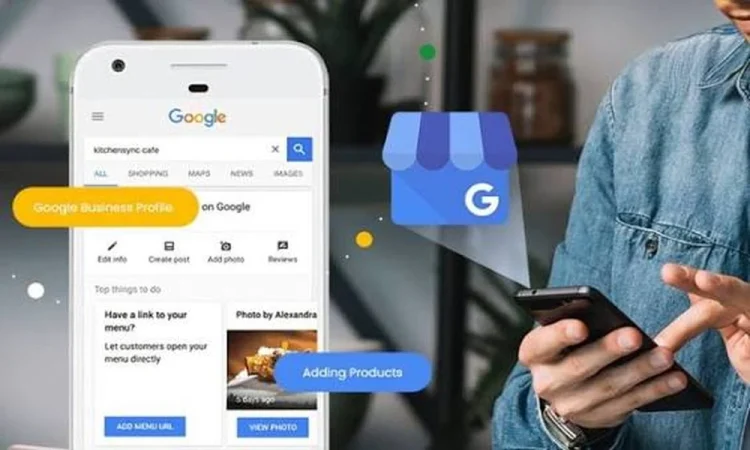
A Google Business Profile helps Google understand who you are and where you work. It can show your business in Maps and local search results. Your profile may display hours, services, reviews, photos, calls, and directions. These details help people judge your business without much effort. A full profile can also send visitors to your main site. That traffic often comes from people who already need your service.
Google compares your profile details with facts found across your website. Your name, address, phone number, and work area should match. Your profile category should also fit the main service shown on your pages. Keep these core items accurate:
- Use your real business name.
- Pick the closest main category.
- Add correct opening hours.
- List each key service.
- Link to the best website page.
A profile does not replace your website. It acts more like a local front door. Your website gives the depth needed to earn trust and turn interest into action.
How can you improve your profile and website together?
Your profile and website should tell the same clear story. Start by checking the contact details on both assets. Fix old phone numbers, wrong hours, and mixed address formats. Add a service page for each main offer, but keep the text useful. Do not create thin pages that repeat the same lines. Google and users both need clear proof of what you do.
1. Match your details: Use the same business name, address, and phone number everywhere. Small changes can cause doubt and weaken trust.
2. Build clear service pages: Give each core service its own helpful page. Explain the work, who needs it, and what happens next.
3. Link with care: Your profile link should lead to a page that fits the search need. A homepage works, though a strong service page may work better.
4. Keep both assets active: Add fresh photos, posts, and service updates. Update your site when prices, hours, or service areas change.
These steps make your brand easier to check. They also reduce the chance that a customer sees mixed facts and leaves.
Why do reviews and website quality affect trust?
Reviews can shape clicks before a person opens your site. A high score may draw attention, but the review text also matters. Comments about service, speed, care, and results give useful context. Ask real customers for honest feedback after the work ends. Never buy reviews or offer rewards for praise. A fake pattern can hurt trust very fast.
After the click, your website must support the promise made by your profile. Slow pages, vague text, and broken forms can waste good local traffic. A skilled web design company can help make key pages clear, fast, and easy to use. Focus on a few basics:
- Show your phone number near the top.
- Make forms short and simple.
- Use clear service names.
- Add trust signs and proof.
- Check the site on mobile phones.
Good reviews may win the click. A good website earns the call, form, or booking. You need both parts to work well.
How should you track results and make better choices?
Do not judge success from rankings alone. A top spot means little when no one calls or visits your site. Track website clicks, calls, direction requests, form leads, and booked work. Check which service pages get local traffic. Look for changes after profile edits, new reviews, or site updates.
Keep a simple monthly record. Note what changed and what happened next. This makes your SEO work easier to judge. It also stops random edits that may harm strong results. Use this short check:
- Review profile views and actions.
- Check website leads from local search.
- Test all phone and form links.
- Find pages with low engagement.
- Update facts that are no longer true.
Local SEO takes steady care, not daily panic. Small, sound changes often work better than a full reset.
Build a stronger path from search to customer
A Google Business Profile can play a major role in local website rankings. It gives Google location facts and gives customers quick ways to act. Yet the profile works best when the linked website is clear, useful, and trusted. We suggest checking both assets as one connected system, not two separate jobs.
Start with matching details, helpful service pages, honest reviews, and a smooth mobile site. Track calls and leads, then improve what causes real action. Review your profile and website today, fix the first weak point you find, and build a clearer path from local search to your next customer.